

ボールバルブは主にオン/オフ装置として機能します。その設計上、精密な流量制御を行う能力が制限されます。この制限は、特定の防火用途における有効性に影響を与える可能性があります。以下に、ボールバルブに関する重要なポイントをいくつか示します。fire protection valvesボールバルブについて:オン/オフ機能ボールバルブは、流体の流れを素早く遮断したり、流したりするのに優れています。しかし、流量を徐々に調整する必要がある場合には、性能が劣ります。スロットリングの問題ボールバルブは、部分的に開いた状態では乱流を発生させることがあります。この乱流は圧力低下や流量の変動を引き起こし、消火システムの性能を阻害する可能性があります。流量調整ボールバルブは、流量の微調整が必要な用途には適していません。その構造上、段階的な調整ができないためです。この制約は、正確な給水が不可欠な場面では問題となる可能性があります。ヒント流量調整が必要な用途では、ゲートバルブや、流量調整用に設計されたその他のバルブの使用を検討してください。
下の表は、ボールバルブとゲートバルブの流量制御能力を比較したものです。
- バルブの種類
- 流量制御機能
- 理想的な使用例
- ボールバルブ限定
- サービスのオン/オフゲートバルブ
適度
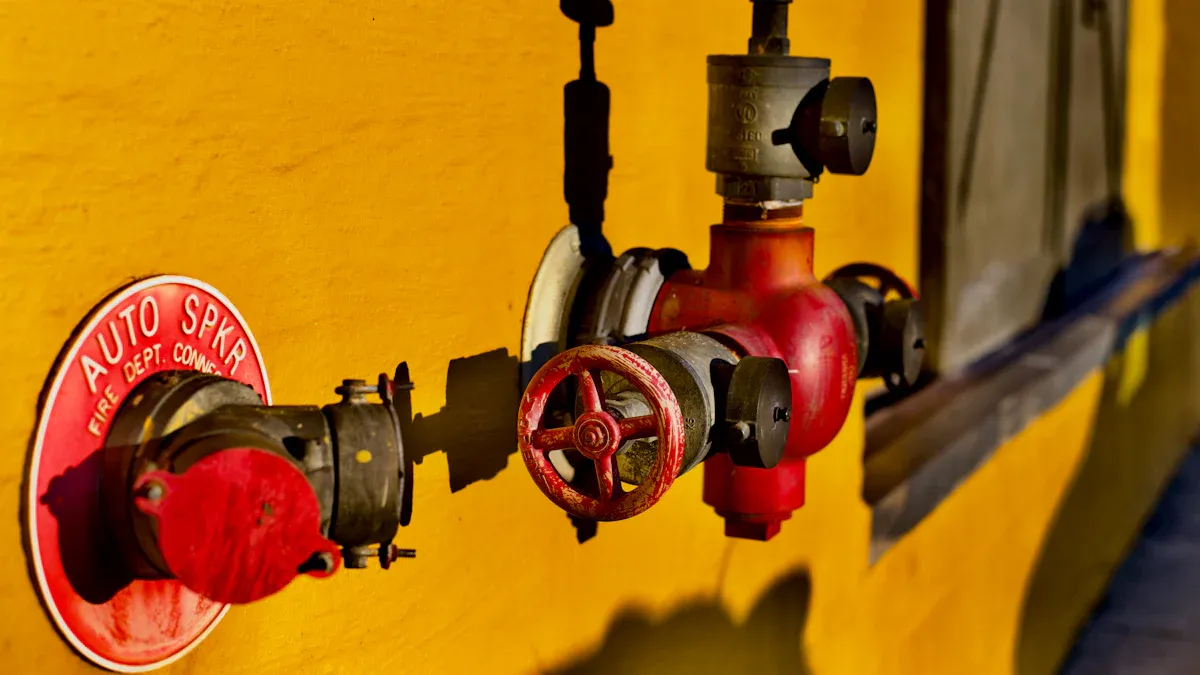
スロットリングと流量調整消防システムにおける応用防火弁は、防火システムにおける様々な用途において重要な役割を果たします。その選定は、具体的な運用要件と防火戦略の性質によって異なります。以下に、ゲート弁とボール弁の防火システムにおける主な用途をいくつか示します。
| 1. 消火スプリンクラーシステム | Ball Valves | Gate Valves |
|---|---|---|
| 商業ビルなどでよく見られる消火栓システムは、消火活動に必要な十分な水量を確保するために、防火弁に依存しています。ゲート弁はシステムの特定部分を隔離するためによく使用され、ボール弁は迅速な操作を可能にし、即座に水へのアクセスを可能にします。 | 3. 消火栓システム | 消火栓システムには、消防士が迅速に水を利用できるよう、信頼性が高く効率的なバルブが必要です。ゲートバルブは通常、主給水管に設置され、消火栓への水の流れを制御します。ボールバルブは、緊急時に素早く水を遮断するために使用されることもあります。 |
| 4. 洪水と事前作用システム | 放水式および予作動式消火システムにおいて、防火弁はスプリンクラーヘッドへの水の流れを制御する上で重要な役割を果たします。ゲート弁はシステムの特定部分を隔離してメンテナンスを行うことができ、ボール弁は必要に応じて迅速に水の流れを開始することができます。 | 5. 産業用途 |
| Flow Regulation | 6. 住宅火災予防 | 住宅用防火システムにおいても、防火弁の使用は有効です。ゲート弁は確実な遮断機能を提供し、ボール弁は消火活動に必要な給水への迅速なアクセスを可能にします。 |
| Durability | 消防設備用のバルブを選定する際は、具体的な用途と運用要件を考慮してください。各バルブタイプには、システム性能を向上させる独自の利点があります。 | ゲートバルブに適したシナリオ |
| ゲートバルブは、防火システム内のさまざまなシナリオで特に効果的です。その設計と機能により、特定の用途に適しています。 | 信頼性の高い流量制御 | ゲートバルブの使用は不可欠です。以下に、ゲートバルブを使用する理想的な状況をいくつか示します。 |
水道本管の遮断
ゲートバルブは、消防設備における主給水管の主要な遮断機構として機能します。メンテナンス時や緊急時には完全に遮断することができ、システムの安全性と稼働状態を維持します。高圧用途高圧環境下では、ゲートバルブが優れた性能を発揮します。堅牢な構造により、性能を損なうことなく高い圧力に耐えることができます。この耐久性の高さから、産業用途に最適です。
大口径パイプライン
ゲートバルブは、流量制御が必要な大口径パイプラインでよく使用されます。その設計は流量抵抗を最小限に抑え、緊急時における効率的な給水を可能にします。
消火栓システム
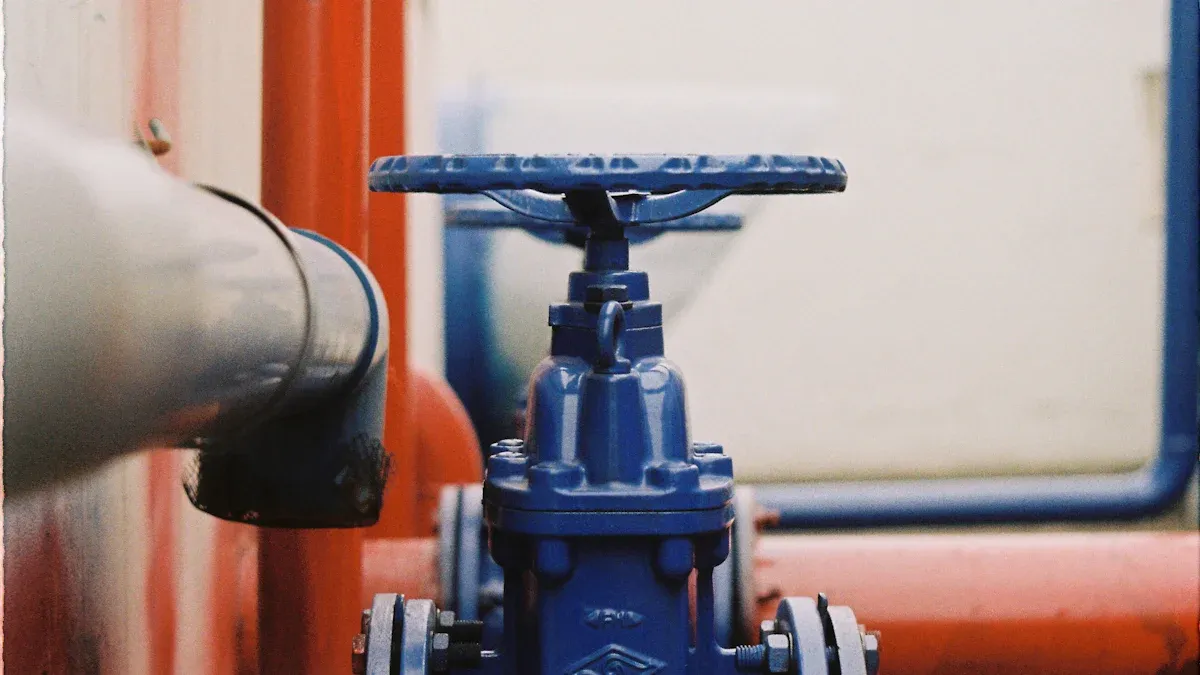
ゲートバルブは、消火栓システムによく設置されます。ゲートバルブは給水を確実に遮断し、消防士が必要な時に迅速に水を利用できるようにします。ゲートバルブは流量調整用途に適していますか?立管システムにおいて、ゲートバルブは特定の区画を隔離することを可能にします。この機能はメンテナンスにとって非常に重要であり、システムの他の部分が確実に稼働し続けることを保証します。
- Ball Valves消防設備用のゲートバルブを選定する際は、具体的な用途と運用要件を考慮してください。ゲートバルブは確実な遮断性能と高圧への耐性を備えているため、様々な状況において非常に有用な部品となります。
- Gate Valvesボールバルブは、消防設備における様々な場面で特に効果を発揮します。その設計と動作効率の高さから、迅速な応答性と信頼性が不可欠な特定の用途に適しています。以下に、ボールバルブの使用に最適な状況をいくつか示します。
緊急遮断
ボールバルブは、迅速な遮断が必要な状況で真価を発揮します。1/4回転操作で即座に閉鎖できるため、火災発生時などの緊急事態において非常に重要です。消防隊員は迅速に給水設備にアクセスでき、迅速な対応が可能になります。
高圧システムゲートバルブは流量調整用途に適していますか?給水管
Gate Valves
- 消防設備においては、迅速な作動と低い圧力損失を考慮することが重要です。これらの特性は、システム全体の性能と信頼性を向上させます。消火スプリンクラーシステムにおいて、ボールバルブは迅速な作動を可能にします。スプリンクラーヘッドへの水の供給を即座に行うことで、消火活動の効果を高めます。
- デリュージシステムズボールバルブは、迅速な放水が必要な洪水システムにおいて重要な役割を果たします。その設計により迅速な操作が可能となり、水が遅滞なく目的の場所に到達することを保証します。
- 火災発生時の迅速な対応: いつ
Ball Valves
- 消防設備においては、迅速な作動と低い圧力損失を考慮することが重要です。これらの特性は、システム全体の性能と信頼性を向上させます。アプリケーションの種類
- 主なメリット緊急遮断
- 火災発生時の迅速な対応高圧システムプレッシャー下でも誠実さを保つ給水管
Tipスプリンクラーシステム
即座に水流が作動する
デリュージシステムズ
- 消火のための迅速な放水消防システムの総合的な有効性
- 効果防火弁
- ゲートバルブとボールバルブは、火災安全システムの性能に大きな影響を与えます。どちらも、緊急時に確実な水の流れを確保する上で重要な役割を果たします。これらのバルブの独自の特性は、消火活動全体の効率向上に貢献します。ゲートバルブは、完全な流量遮断が必要な用途において優れた性能を発揮します。消火設備の各セクションを確実に隔離できる信頼性の高い手段であり、メンテナンス時や緊急時に不可欠です。ゲートバルブは高い流量容量を備えているため、必要な時に重要な箇所に確実に水が供給されます。また、堅牢な構造により高圧にも耐えるため、様々な環境に適しています。
- 一方、ボールバルブは迅速な操作と低い圧力損失を実現します。その1/4回転機構により、給水に素早くアクセスでき、これは火災発生時に非常に重要です。消防士はボールバルブを迅速に作動させることができ、即座に消火活動を行うことができます。水流
- この迅速な対応は、火災を効果的に制御する上で大きな違いを生み出します。さらに、ボールバルブは漏れのない密閉性を維持し、水の損失を防ぎ、システムの信頼性を向上させます。緊急事態におけるパフォーマンス
緊急事態においては、防火弁の性能が極めて重要となる。ゲート弁とボール弁は、効果的な消火活動を確保する上でそれぞれ異なる役割を果たす。
動作特性消火活動の結果に大きな影響を与える可能性がある。ゲートバルブ
| Valve Type | ボールバルブ | 一方、ボールバルブは迅速な操作が可能です。1/4回転機構により、すぐに給水を開始できます。この迅速な作動は、時間との勝負となる火災発生時に不可欠です。消防士はボールバルブを素早く操作することで、必要な場所に遅滞なく水が供給されるようにすることができます。さらに、ボールバルブは圧力損失が低いため、システム全体の水圧を維持するのに役立ちます。 |
|---|---|---|
| Gate Valve | 完全遮断は確実だが、動作速度は遅い。 | 完全遮断は確実だが、動作速度は遅い。 |
| Ball Valve | 防火弁の長期信頼性 | 防火弁の長期信頼性 |
防火弁にとって長期的な信頼性は極めて重要です。なぜなら、これらの部品は緊急時の安全確保において重要な役割を果たすからです。ゲート弁とボール弁はそれぞれ独自の特性を持ち、それが経年劣化に伴う信頼性に影響を与えます。
- ゲートバルブ
- 耐久性
- ゲートバルブには、ステンレス鋼や真鍮などの頑丈な素材がよく用いられます。これらの素材は、高圧や高温に対する耐性を高め、バルブの長寿命化に貢献します。
- メンテナンス要件
- ゲートバルブの定期的なメンテナンスは不可欠です。オペレーターは、漏れを防ぐためにシールや内部部品を点検する必要があります。メンテナンスを怠ると、信頼性が低下し、重要な局面で故障する可能性があります。
- ボールバルブ
- メンテナンスの手間が少ない
- ボールバルブは一般的にゲートバルブよりもメンテナンスの手間が少ない。摩耗を最小限に抑える設計になっているため、長期間にわたって効果的に機能する。
- 耐腐食性
- 多くのボールバルブは耐腐食性材料を使用しています。この特性により、特に過酷な化学物質にさらされる環境や極端な条件下での信頼性が向上します。
- ヒント
防火弁の長期的な信頼性を最大限に高めるためには、組織は定期的な点検スケジュールを実施すべきです。定期的な点検により、問題が深刻化する前に潜在的な問題を特定でき、必要な時に弁が確実に作動するようにすることができます。ゲートバルブとボールバルブは、それぞれ防火システムにおいて明確な利点と欠点を持っている。ゲートバルブ
信頼性の高い遮断機能と高い流量容量を提供することに優れています。
ボールバルブ
- 迅速な作動と低い圧力損失が特長です。最終的に、これらのバルブの選択は、特定の消防システムのニーズと運用上の要件によって決まります。ヒント各アプリケーション固有の要件を評価して、最適なソリューションを決定します。
- 適切なバルブタイプ最適なパフォーマンスを実現するため。よくある質問ゲートバルブとボールバルブの主な違いは何ですか?
ゲートバルブは信頼性の高い開閉制御を提供する一方、ボールバルブは圧力損失を最小限に抑えつつ迅速な操作が可能です。そのため、ボールバルブは緊急時により適しています。ゲートバルブは流量調整用途に適していますか?ゲートバルブは流量調整にも使用できますが、この用途には最適ではありません。ゲートバルブは主に流量を完全に遮断するように設計されています。
| 防火弁はどのくらいの頻度でメンテナンスすべきですか? | ゲートバルブとボールバルブはどちらも定期的なメンテナンスが不可欠です。技術者は、適切な機能を確保し、漏れを防ぐために、少なくとも年に一度は点検を行う必要があります。 |
|---|---|
| ボールバルブは汚れた流体にも対応できますか? | ボールバルブは、固形物や異物を含む流体に対して性能を発揮しにくい。異物が混入すると適切なシールが妨げられ、消火設備における漏洩につながる可能性がある。 |
| ゲートバルブとボールバルブのどちらを選ぶかに影響を与える要因は何ですか? | バルブの選択は、必要な応答時間、流量制御、圧力条件など、具体的な用途のニーズによって異なります。これらの要素を評価して、最適なバルブの種類を決定してください。 |
| 投稿日時:2026年3月20日 | 接触 |
ぜひお越しください浙江世界消防設備有限公司お電話ください
13685872522
13968219316
- 弊社のメールお問い合わせを送信
- 韓国語メールを送信する
- WhatsApp検索するにはEnterキーを押すか、閉じるにはESCキーを押してください。
- 英語フランス語
- ドイツ語ポルトガル語
スペイン語
| ロシア | カザフスタン |
|---|---|
| 韓国語 | アラビア語 |
| アイルランド | ギリシャ語 |
| トルコ語 | イタリア語 |
デンマーク語
ルーマニア語
インドネシア語チェコアフリカーンス語
- スウェーデン語研磨
- バスク語カタルーニャ語
エスペラント
ヒンディー語
ラオスアルバニア語アムハラ語
- アルメニア語アゼルバイジャン
- ベラルーシ語ベンガル語
- ボスニア語ブルガリア語
セブアノ語
- チチェワ語
- コルシカ人
- クロアチア語
- オランダ語
エストニア語フィリピン人
| Valve Type | フリジア語 | ガリシア語 |
|---|---|---|
| Ball Valve | ヘブライ語 | ハワイアン |
| Gate Valve | ハワイアン | ヘブライ語 |
モン族
ハンガリー語
アイスランド語イボ族ジャワ語
| カンナダ語 | カザフスタン |
|---|---|
| クメール | クルド |
| キルギス | ラテン |
| ラトビア語 | リトアニア語 |
ルクセンブルク…マケドニア語マダガスカル
- マレー語マラヤーラム語
- マルタ語マオリ
- マラーティー語モンゴル語
ビルマ語
ネパール語
ノルウェー語
パシュトー語ペルシャ語:
- パンジャブ語セルビア語
- セソト語シンハラ語スロバキア語スロベニア語
- ソマリアサモア人
スコットランド・ゲール語
ショナ
シンド語
スンダ人スワヒリ語タジク語
- タミル語テルグ語
- タイウクライナ語
ウルドゥー語
| Valve Type | ベトナム語 | ウェールズ語 | コサ語 |
|---|---|---|---|
| イディッシュ語 | ヨルバ語 | ズールー語 | キニャルワンダ語 |
| タタール | オリヤー語 | トルクメン | ウイグル族 |
Low pressure drop in ball valves enhances water flow in fire system pipelines. This efficiency ensures that firefighters receive adequate water supply quickly, which is vital for effective firefighting. The ability to maintain pressure during operation allows for consistent water delivery, even in high-demand situations.
Disadvantages of Ball Valves
While ball valves offer numerous advantages, they also present several disadvantages that can affect their performance in fire protection systems. Understanding these limitations is crucial for making informed decisions. Here are some key drawbacks:
- Inability to Provide Gradual Shut-off: Ball valves operate with a quarter-turn action. This rapid shut-off can lead to sudden pressure changes, potentially damaging systems like fire protection sprinklers. Such abrupt shifts in pressure may compromise the integrity of the entire system.
- Corrosion and Erosion Issues: Depending on the material used, ball valves can corrode or erode when exposed to harsh substances. This deterioration can result in leaks and reduced performance over time. Operators must consider the fluid characteristics to mitigate these risks.
- Difficulty in Handling Dirty Fluids: Ball valves struggle with fluids containing solids or debris. These contaminants can prevent proper sealing, leading to leakage. In fire protection systems, where reliability is paramount, this limitation can pose significant challenges.
- Higher Initial Costs: Compared to gate valves, ball valves typically have a higher initial purchase price. This cost factor can deter some organizations from choosing them, especially when budget constraints exist.
- Limited Throttling Capability: Ball valves are primarily designed for on/off service. They do not perform well when used for throttling applications. This limitation can hinder flow regulation in certain scenarios, making them less versatile than other valve types.
Higher Initial Cost of Ball Valves
Ball valves typically come with a higher initial cost than gate valves. This price difference can influence purchasing decisions for fire protection systems. Organizations must weigh the benefits against the financial implications. Here are some key points regarding the costs associated with ball valves:
- Material Quality: Ball valves often use high-quality materials, such as stainless steel or brass. These materials enhance durability but increase production costs.
- Complex Design: The design of ball valves includes more intricate components, which can drive up manufacturing expenses.
- Performance Features: Ball valves offer superior sealing capabilities and quick operation. These features justify the higher price for many applications.
Cost Comparison Table
| Valve Type | Initial Cost Range (8″ Class 300) | Initial Cost Range (24″) |
|---|---|---|
| Gate Valve | $12K – $18K | $12K – $18K |
| Ball Valve | $45K – $75K | $45K – $75K |
Tip: When budgeting for fire protection systems, consider both the initial costs and the long-term benefits of each valve type.
Despite the higher upfront costs, ball valves can provide long-term savings. Their durability and low maintenance requirements often lead to reduced operational costs over time. Organizations should evaluate their specific needs and budget constraints before making a decision.
Limited Flow Control of Ball Valves
Ball valves primarily serve as on/off devices. Their design limits their ability to provide precise flow control. This limitation can impact their effectiveness in certain fire protection applications. Here are some key points regarding the flow control capabilities of ball valves:
- On/Off Functionality: Ball valves excel at quickly shutting off or allowing fluid flow. However, they do not perform well when operators need to adjust flow rates gradually.
- Throttling Issues: When partially opened, ball valves can create turbulence. This turbulence can lead to pressure drops and inconsistent flow rates. Such behavior can hinder the performance of fire suppression systems.
- Flow Regulation: Ball valves are not suitable for applications requiring fine flow regulation. Their design does not allow for gradual adjustments. This limitation can be problematic in scenarios where precise water delivery is essential.
Tip: For applications that require flow modulation, consider using gate valves or other valve types designed for throttling.
The table below summarizes the flow control capabilities of ball valves compared to gate valves:
| Valve Type | Flow Control Capability | Ideal Use Case |
|---|---|---|
| Ball Valve | Limited | On/off service |
| Gate Valve | Moderate | Throttling and flow regulation |
Applications in Fire Systems
Fire protection valves play a critical role in various applications within fire protection systems. Their selection depends on specific operational requirements and the nature of the fire protection strategy. Below are some key applications for both gate valves and ball valves in fire systems:
1. Fire Sprinkler Systems
Fire sprinkler systems utilize both gate and ball valves to control water flow. Gate valves serve as the main shut-off valves, allowing for complete closure during maintenance or emergencies. Ball valves, on the other hand, provide quick access to water supply, enabling rapid response during fire incidents.
2. Standpipe Systems
Standpipe systems, commonly found in commercial buildings, rely on fire protection valves to ensure adequate water supply for firefighting efforts. Gate valves are often used to isolate sections of the system, while ball valves facilitate quick operation for immediate water access.
3. Fire Hydrant Systems
Fire hydrant systems require reliable and efficient valves to ensure firefighters can access water quickly. Gate valves are typically installed at the main supply line to control water flow to hydrants. Ball valves may also be used for quick shut-off in emergency situations.
4. Deluge and Pre-Action Systems
In deluge and pre-action fire suppression systems, fire protection valves play a vital role in controlling water flow to sprinkler heads. Gate valves can isolate sections of the system for maintenance, while ball valves allow for rapid activation of water flow when needed.
5. Industrial Applications
In industrial settings, fire protection valves are essential for safeguarding against fire hazards. Gate valves are often used in high-pressure applications, while ball valves are favored for their quick operation and low pressure drop, making them suitable for various fire suppression systems.
6. Residential Fire Protection
Residential fire protection systems also benefit from the use of fire protection valves. Gate valves provide reliable shut-off capabilities, while ball valves ensure quick access to water supply for firefighting efforts.
Tip: When selecting valves for fire protection systems, consider the specific application and operational requirements. Each valve type offers unique advantages that can enhance system performance.
Suitable Scenarios for Gate Valves
Gate valves are particularly effective in various scenarios within fire protection systems. Their design and functionality make them suitable for specific applications where reliable flow control is essential. Below are some ideal situations for using gate valves:
- Main Water Supply Isolation: Gate valves serve as the primary shut-off mechanism for the main water supply in fire protection systems. They allow for complete closure during maintenance or emergencies, ensuring that the system remains safe and operational.
- High-Pressure Applications: In environments where high pressure is a concern, gate valves excel. Their robust construction can withstand significant pressure without compromising performance. This durability makes them ideal for industrial settings.
- Large-Diameter Pipelines: Gate valves are often used in large-diameter pipelines where flow control is necessary. Their design minimizes flow restriction, allowing for efficient water delivery during emergencies.
- Fire Hydrant Systems: Gate valves are commonly installed in fire hydrant systems. They provide reliable isolation of the water supply, ensuring that firefighters can access water quickly when needed.
- Standpipe Systems: In standpipe systems, gate valves allow for the isolation of specific sections. This capability is crucial for maintenance and ensures that other parts of the system remain operational.
Tip: When selecting gate valves for fire protection systems, consider the specific application and operational requirements. Their ability to provide reliable shut-off and withstand high pressures makes them a valuable component in various scenarios.
Suitable Scenarios for Ball Valves
Ball valves are particularly effective in various scenarios within fire protection systems. Their design and operational efficiency make them suitable for specific applications where quick response and reliability are essential. Below are some ideal situations for using ball valves:
- Emergency Shut-off: Ball valves excel in situations requiring rapid shut-off. Their quarter-turn operation allows for immediate closure, which is critical during fire emergencies. Firefighters can quickly access water supply, ensuring a swift response.
- High-Pressure Systems: In high-pressure environments, ball valves maintain their integrity and performance. Their robust construction withstands significant pressure, making them ideal for industrial applications where safety is paramount.
- Water Supply Lines: Ball valves are commonly used in water supply lines for fire protection systems. Their ability to provide leak-proof sealing ensures that water remains contained, preventing wastage and maintaining system efficiency.
- Sprinkler Systems: In fire sprinkler systems, ball valves facilitate quick activation. They allow for immediate water flow to sprinkler heads, enhancing the effectiveness of fire suppression efforts.
- Deluge Systems: Ball valves play a crucial role in deluge systems, where rapid water release is necessary. Their design enables quick operation, ensuring that water reaches the intended areas without delay.
Tip: When selecting ball valves for fire protection systems, consider their quick operation and low pressure drop. These features enhance overall system performance and reliability.
| Application Type | Key Benefit |
|---|---|
| Emergency Shut-off | Rapid response during fires |
| High-Pressure Systems | Maintains integrity under pressure |
| Water Supply Lines | Prevents leaks and wastage |
| Sprinkler Systems | Immediate water flow activation |
| Deluge Systems | Quick water release for suppression |
Overall Effectiveness in Fire Systems
The effectiveness of fire protection valves significantly impacts the performance of fire safety systems. Both gate valves and ball valves play crucial roles in ensuring reliable water flow during emergencies. Their unique characteristics contribute to the overall efficiency of fire suppression efforts.
Gate valves excel in applications requiring complete flow shut-off. They provide a reliable means to isolate sections of a fire protection system. This capability is essential during maintenance or emergencies. Gate valves allow for high flow capacity, ensuring that water reaches critical areas when needed. Their robust construction withstands high pressures, making them suitable for various environments.
On the other hand, ball valves offer rapid operation and low pressure drop. Their quarter-turn mechanism allows for quick access to water supply, which is vital during fire incidents. Firefighters can swiftly activate ball valves, ensuring immediate water flow. This quick response can make a significant difference in controlling fires effectively. Additionally, ball valves maintain leak-proof sealing, preventing water loss and enhancing system reliability.
Performance in Emergencies
In emergency situations, the performance of fire protection valves becomes critical. Both gate valves and ball valves play distinct roles in ensuring effective firefighting efforts. Their operational characteristics can significantly influence the outcome of fire suppression activities.
Gate Valves
Gate valves provide reliable shut-off capabilities. They excel in applications where complete flow control is necessary. However, their slower operation can hinder response times during emergencies. Firefighters may face delays when attempting to open or close these valves, as they require multiple turns. This limitation can be detrimental in situations where every second counts.
Ball Valves
In contrast, ball valves offer rapid operation. Their quarter-turn mechanism allows for immediate access to water supply. This quick activation is essential during fire incidents, where time is of the essence. Firefighters can swiftly engage ball valves, ensuring that water flows to the necessary areas without delay. Additionally, ball valves maintain low pressure drops, which helps sustain water pressure throughout the system.
Summary of Performance
- Gate Valves: Reliable for complete shut-off but slower to operate.
- Ball Valves: Quick to activate, ensuring immediate water flow and maintaining pressure.
Long-Term Reliability of Fire Protection Valves
Long-term reliability is crucial for fire protection valves, as these components play a vital role in ensuring safety during emergencies. Both gate and ball valves exhibit unique characteristics that influence their reliability over time.
Gate Valves
- Durability: Gate valves often feature robust materials, such as stainless steel or brass. These materials enhance their ability to withstand high pressures and temperatures, contributing to their longevity.
- Maintenance Requirements: Regular maintenance is essential for gate valves. Operators should inspect seals and internal components to prevent leaks. Neglecting maintenance can lead to reduced reliability and potential failures during critical moments.
Ball Valves
- Low Maintenance Needs: Ball valves typically require less maintenance than gate valves. Their design minimizes wear and tear, allowing them to function effectively for extended periods.
- Corrosion Resistance: Many ball valves utilize corrosion-resistant materials. This feature enhances their reliability, especially in environments exposed to harsh chemicals or extreme conditions.
Tip: To maximize the long-term reliability of fire protection valves, organizations should implement a routine inspection schedule. Regular checks can identify potential issues before they escalate, ensuring that valves remain operational when needed.
Both gate and ball valves offer distinct advantages and disadvantages in fire protection systems.
- Gate valves excel in providing reliable shut-off capabilities and high flow capacity.
- Ball valves stand out for their quick operation and low pressure drop.
Ultimately, the choice between these valves hinges on specific fire system needs and operational requirements.
Tip: Assess the unique demands of each application to determine the most suitable valve type for optimal performance.
FAQ
What is the primary difference between gate valves and ball valves?
Gate valves provide reliable on/off control, while ball valves offer quicker operation with minimal pressure drop. This makes ball valves more suitable for emergency situations.
Are gate valves suitable for throttling applications?
Gate valves can be used for throttling, but they are not ideal for this purpose. Their design is primarily for complete flow shut-off.
How often should fire protection valves be maintained?
Regular maintenance is essential for both gate and ball valves. Technicians should inspect them at least once a year to ensure proper functionality and prevent leaks.
Can ball valves handle dirty fluids?
Ball valves struggle with fluids containing solids or debris. Contaminants can prevent proper sealing, leading to potential leaks in fire protection systems.
What factors influence the choice between gate and ball valves?
The choice depends on specific application needs, such as required response time, flow control, and pressure conditions. Evaluate these factors to determine the best valve type.
Post time: Mar-20-2026